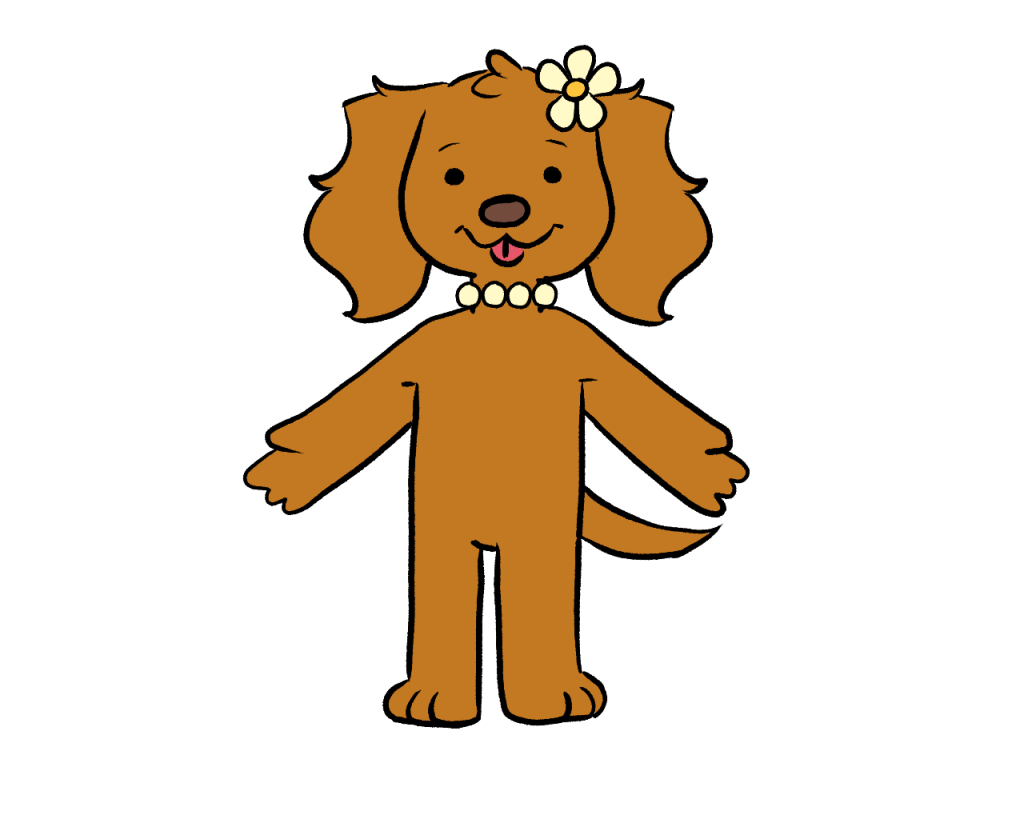
To examine how audience segmentation can improve a paid social media campaign, we will once again look at how the character brand Daisy Doodle could use audience segmentation to run a successful paid social media campaign. To help guide the path to find Daisy Doodle’s audience, the audience segmentation of inspiring character brands will be examined, such as Hello Kitty and Miffy.
Target Audience
As discussed in a previous post, the target audience for Hello Kitty was originally children. As its original fans grew older, the demographic has expanded to include adults who were fans as kids and want nostalgia, or who want to bond over the character with their own kids. Miffy’s demographic has had a similar story: originally marketed as a children’s character in Europe and Asia, she gained popularity in the 2000s among Generation Z in the United States. Fans of both characters enjoy cute characters and find comfort in them. Daisy Doodle potentially could market to a similar audience, as she intends to have a similar appeal.
The audience for Daisy Doodle is folks who enjoy cute characters and Kawaii culture, especially folks who like dogs. To be more specific, this brand is geared toward 20-30-somethings who spend a lot of time online and need a cuteness break in their feeds from time to time. This is the chosen audience for Daisy Doodle because I think this age group will be most interested in the character. While she might appeal to a younger audience like her inspirations, Daisy Doodle is calling on a knowing bit of nostalgia for these characters, like Hello Kitty and Miffy. However, age is not the only factor to consider when targeting an audience. There are other ways to group or segment an audience.
Audience Segmentation
Audience segmentation is the practice of dividing a broad audience into smaller, specific groups based on shared characteristics, such as age, occupation, behaviors, or location. This allows brands to deliver personalized messaging in their ads, increasing customer engagement and improving the conversion rates of both content and paid advertising. Meaning that by targeting people based on these characteristics, brands can ensure their advertising reaches an audience that will respond and help the campaign reach its goal.
In the case of Daisy Doodle, audience segmentation can ensure ads reach the right audience and help spread brand awareness. To know how to properly segment the Daisy Doodle audience, other successful character brands can serve as examples. Researching and analyzing competition can provide valuable insights into potential customers (Thony, 2024). While Daisy Doodle is certainly far from calling any other character brand a competitor, Hello Kitty and Miffy, the inspirations for Daisy Doodle, could still serve as examples to model Daisy Doodle’s audience segmentation strategy after.
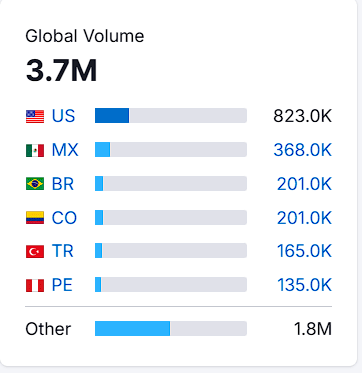
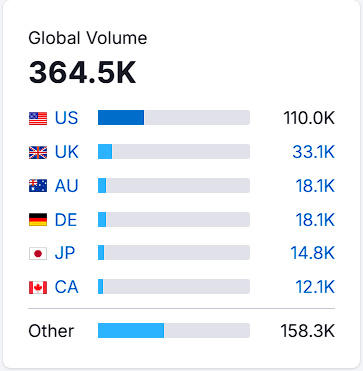
According to SEMRush results for the keyword “Hello Kitty,” most people searching for this term are based in the United States (823.0K) and Mexico (3680K), while most people searching for “Miffy” are in the United States (110.0k) and the United Kingdom (33.1K). This means that Hello Kitty and Miffy have segmented their audiences not only by age groups, but also by location, reaching people in all three countries mentioned. Based on this, Daisy Doodle’s audience segmentation could focus on folks in the US, UK, and Mexico to benefit from the same segmentation.
Custom Audience
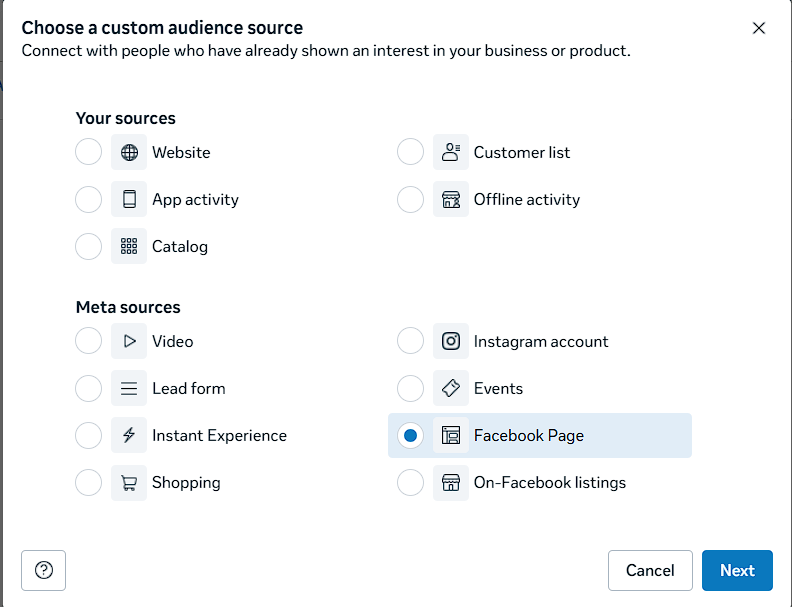
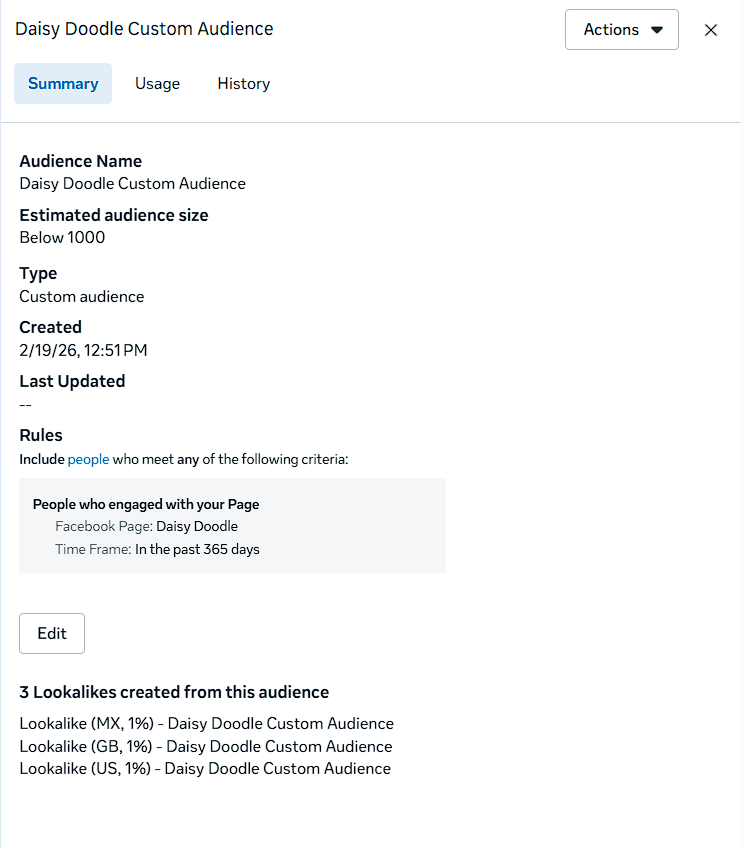
For a Daisy Doodle custom audience, the source must be the Daisy Doodle Facebook page itself. As for events that may allow an audience member to be targeted, there are a lot of options, but the events that would benefit Daisy Doodle the most are:
- People who currently like or follow the page.
- People who engage with the page (for example, likes, follows, and leave a comment).
- People who visit the page.
- People who engage with any post or ad.
- People who saved any post.
These specific events would benefit Daisy Doodle the most, as the campaign objective remains brand awareness. If people are interacting with the page in ways such as liking the page or posts, following the page, or just visiting the page, that contributes to the viewer being aware of the brand. The more they take these actions, the more the viewer will be retargeted, reconfirming brand awareness every time a Daisy Doodle post pops up. While there is overlap among these selections, things such as liking a page, ad, or post, saving it, or just visiting a page. By tagging all these things specifically, it ensures targeting and retargeting as many people as possible to reach the broadest audience.
Lookalike Audience
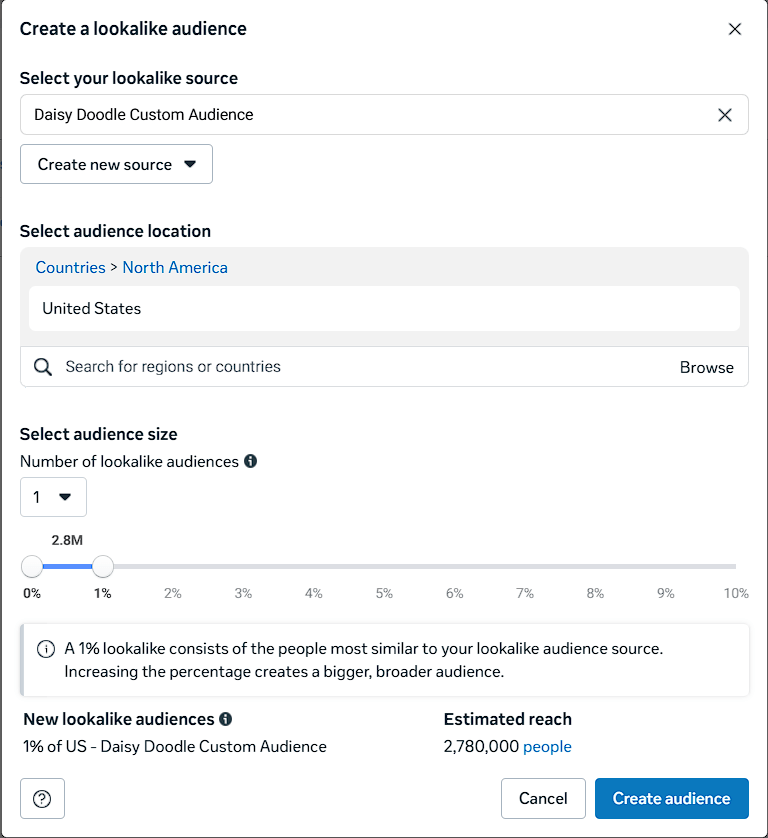
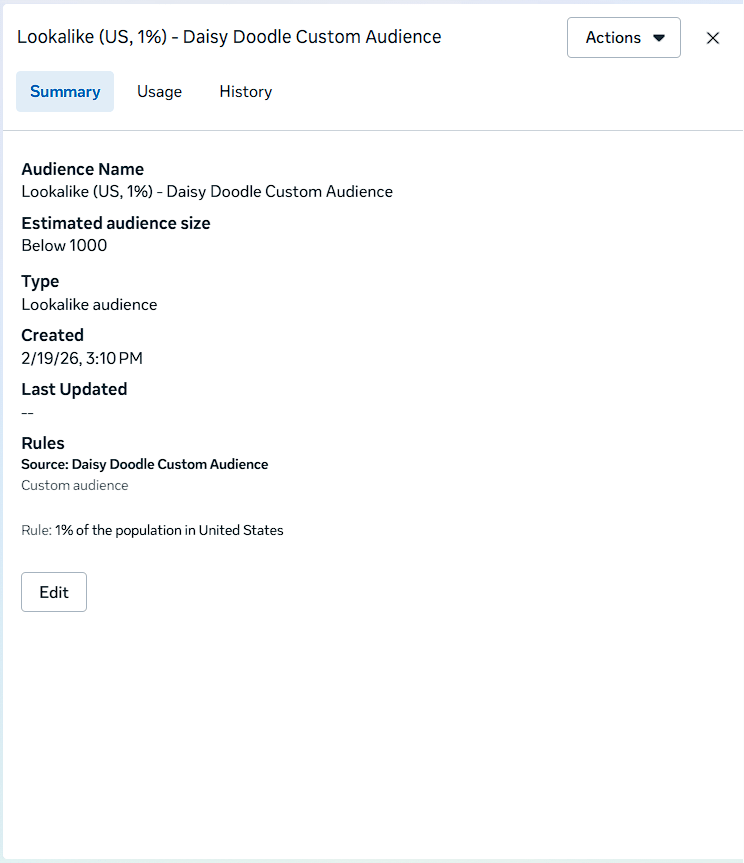
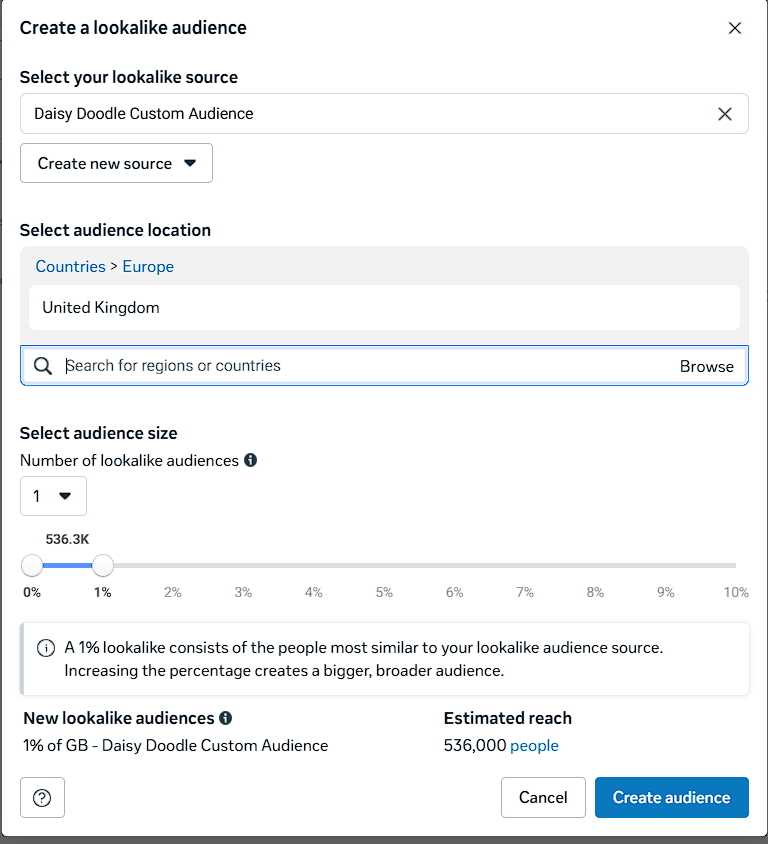
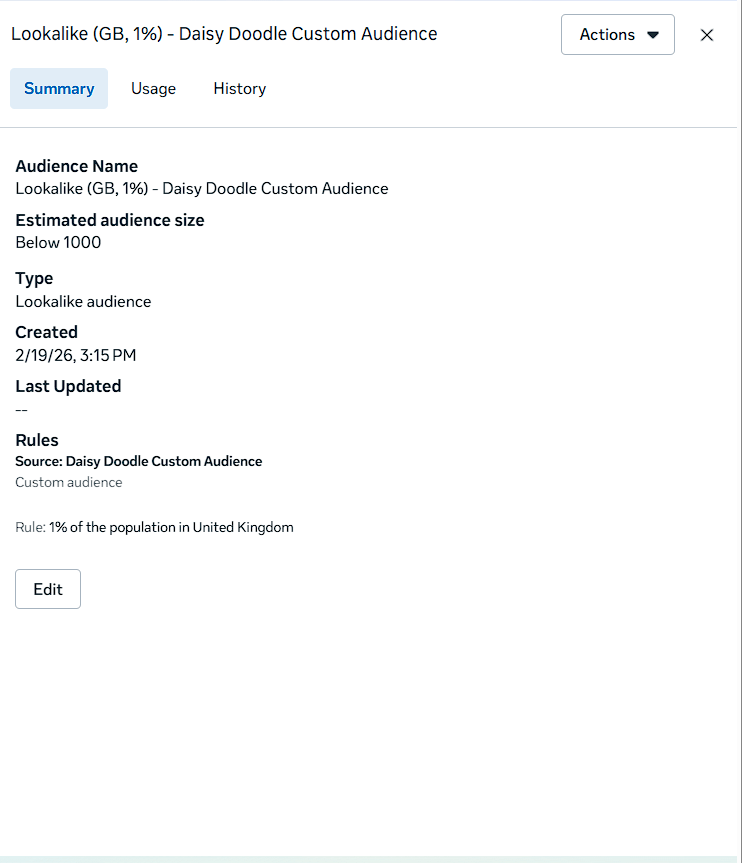
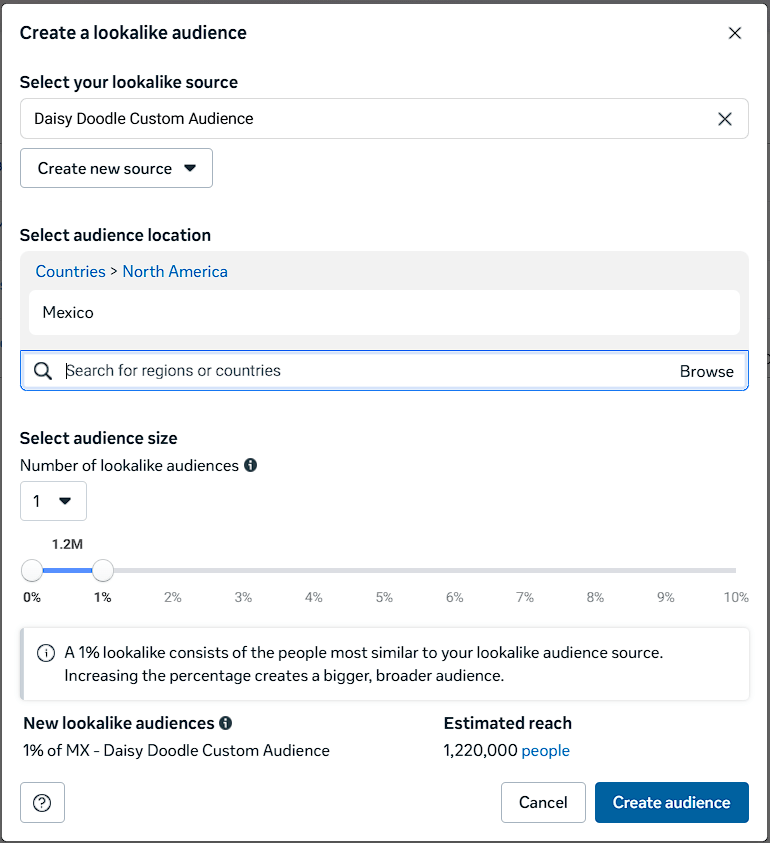
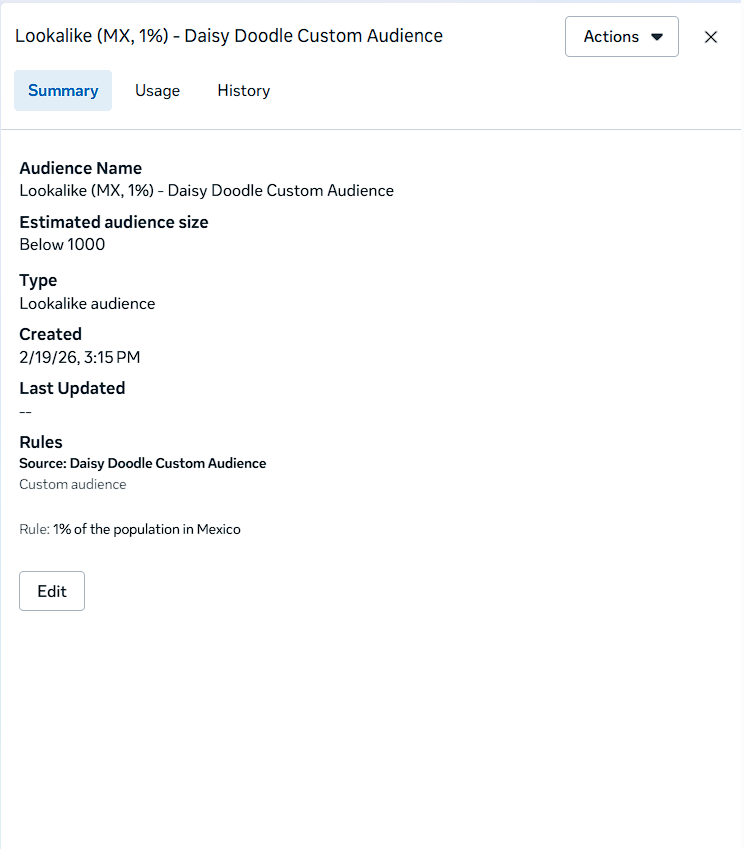
For a Daisy Doodle Lookalike audience, it would start with one of the already-established custom audiences and expand the demographic by location. Given the locations where Hello Kitty and Miffy’s audiences can be found, the chosen locations were the U.S., U.K., and Mexico to benefit from a similar audience. For both Hello Kitty and Miffy, the U.S. was the country where they were most popular, but neither started there. Hello Kitty started in Japan, and Miffy started in the Netherlands, both aimed at children. But as time went on, both began marketing not only to adults but also to other countries, and they have effectively expanded their brand awareness. Following their example, Daisy Doodle can market to other countries to spread brand awareness.
To target an audience in each country, a separate Lookalike Audience had to be set up for each one. For audience size, 1% is selected as suggested to get people most like the lookalike audience. This targets 2,780,000 people in the U.S., 536,000 in the U.K., and 1,220,000 in Mexico, totaling an estimated audience of 4,536,000. This shows that by targeting an audience outside the U.S., Daisy Doodle can expand brand awareness more than it would if its reach were limited to the U.S.
Conclusion
By looking at the audience segmentation of established, successful cute characters like Hello Kitty and Miffy, a path can be set to properly use audience segmentation to reach not only the right audience for Daisy Doodle, but also a broader audience. By reaching out to countries beyond the U.S., brand awareness can be more effectively spread.
References
Thony, S. L. (2024). Chapter 3: Knowing Your Audience. In The Marketing Campaign Playbook: A Step-by-Step Guide for Entrepreneurs, Marketers & Small Business Owners. essay, STK MTK Entertainment.
Yar, S. (2023, October 16). Gen Z Americans embrace nostalgia with Miffy, the Dutch bunny. New York Times. https://www.nytimes.com/2023/10/16/style/miffy-dutch-american.html
Zamin, M.D.B.K. (2021). Hello Kitty Case Study. Universiti Teknologi Mara. https://www.cliffsnotes.com/study-notes/1720844
 Home
Home 