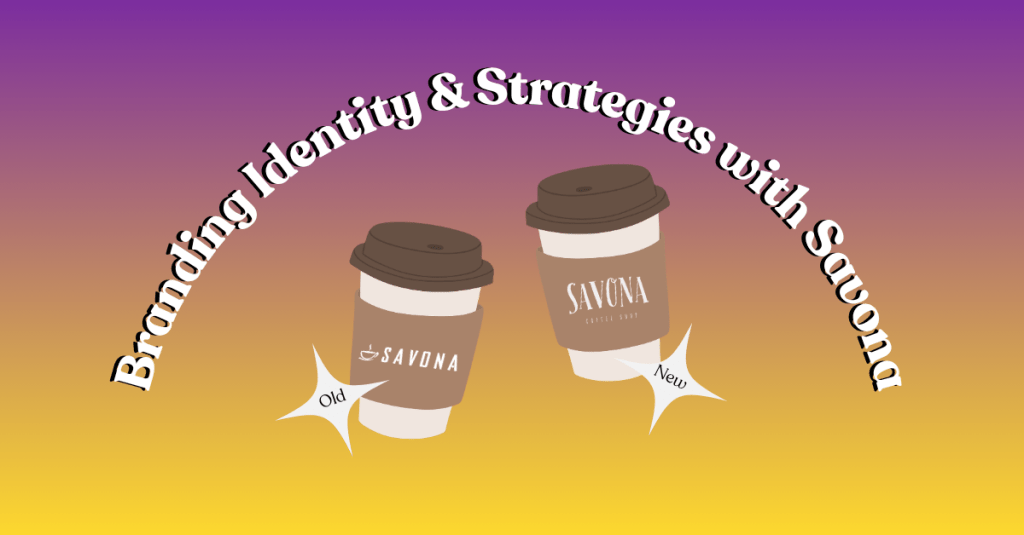
Brand Identity & Strategy
Branding is something we often recognize when we see it. For example, when you see the iconic swoosh, you know it’s Nike. Similarly, a sneaker with a block-lettered “N” can be identified as New Balance. While recognizing successful branding is easy, creating it is not.
What is Branding?
Within the realm of marketing and design, branding can be defined as a set of characteristics that help an audience identify a business, product, service, or project from other competitors (Caldwell, 2019). In the shoe example mentioned above, Nike’s swoosh branding makes it distinguishable from competitors like New Balance. Both company names start with an N and could have similar logos, but their successful branding allows customers to tell the two companies apart. This is because both companies have a successful branding strategy.
What is a Successful Branding Strategy?
To develop a successful brand, you need a solid branding strategy. To effectively create a brand strategy, first, you must define a clear goal (Caldwell, 2019), such as promoting a coffee shop or another business. This goal guides your design choices to achieve the best outcomes. Without a clear purpose, decision-making becomes difficult, and confidence in those decisions diminishes. As a designer, you want to avoid second-guessing your choices or realizing later that a decision was wrong. Having a clear purpose reassures you that you are making the right choices, though it isn’t the only way to determine success.
When setting your objective, identify the most important outcome for the project. This could include advertising a grand opening or attracting customers. There are no right or wrong answers, and you may have multiple goals (Caldwell, 2019). For example, a flyer for a bar’s karaoke night could promote both the event and the bar itself. Similarly, a flyer for a book signing at a coffee shop can also promote the shop. Recognizing your primary goal is crucial because achieving it confirms you’ve met your objectives. If you advertise your coffee shop to attract new customers and see more patrons, your marketing efforts are successful.
Another key aspect of a brand strategy is ensuring that your brand, your message, and your objectives align. This maintains authenticity in your communication. Returning to the coffee shop example, if a shop claims to be a dog-friendly café but is decorated with cat memorabilia, it creates confusion. Customers might wonder if it’s truly dog-friendly or cat-friendly. Conversely, if customers perceive the branding as inconsistent or fake, they may lose trust. Appearing dishonest can lead customers to believe you’ll be dishonest elsewhere as well. Ensuring alignment among your brand, message, and objectives builds a cohesive identity that fosters trust and helps customers understand who you are. This makes them more likely to return.
About Savona Coffee House
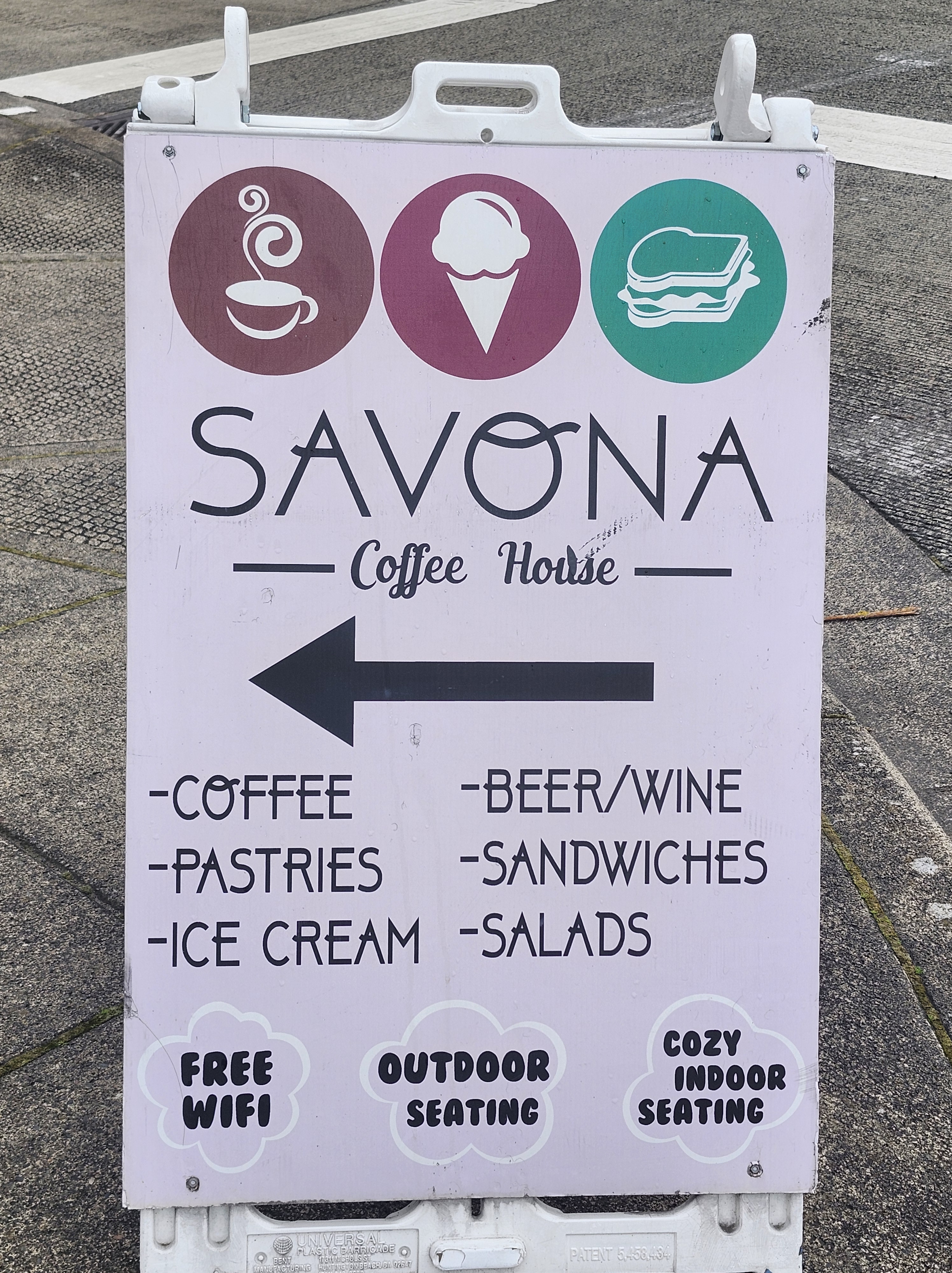
A real-life example is Savona Coffee House near the Columbia River in Vancouver, Washington. One thing a visitor might notice is inconsistent typography in the signs. Most of the signs are hand-made, making uniform typography difficult. The outdoor sign and menus use a fancy, handwritten script, while the main shop sign features a sans-serif font with a coffee cup logo with steam rising. Along with a folding sidewalk sign that points passersby to the coffee shop and advertises all its services. This branding is clear and recognizable as a coffee shop. However, this sign has a totally different typography from any other sign and even uses three different font styles. The color palette used by this sign and the rest of the signage includes muted shades of brown, red, and green. The name “Savona” refers to a city in Italy, likely inspiring the red and green, while brown references coffee. Although these branding choices make sense, a potential goal for rebranding could be making Savona’s branding more cohesive.


One specific change in Savona’s branding strategy to create greater cohesion is to select exterior building signage fonts that better match the interior signage. Choosing fonts that resemble handwriting would reinforce a cozy, homey feeling and create greater consistency within the brand’s identity. The current handwritten signs contribute to this feeling; selecting a similar style for exterior signage would unify the brand’s look and stay true to its identity. Switching to fonts like Arial, Times New Roman, or Comic Sans would feel out of place and detract from the brand’s authenticity. It’s not just about matching; it’s about ensuring the font choice makes sense for the brand. Without this cohesion, the brand risks losing its authenticity.
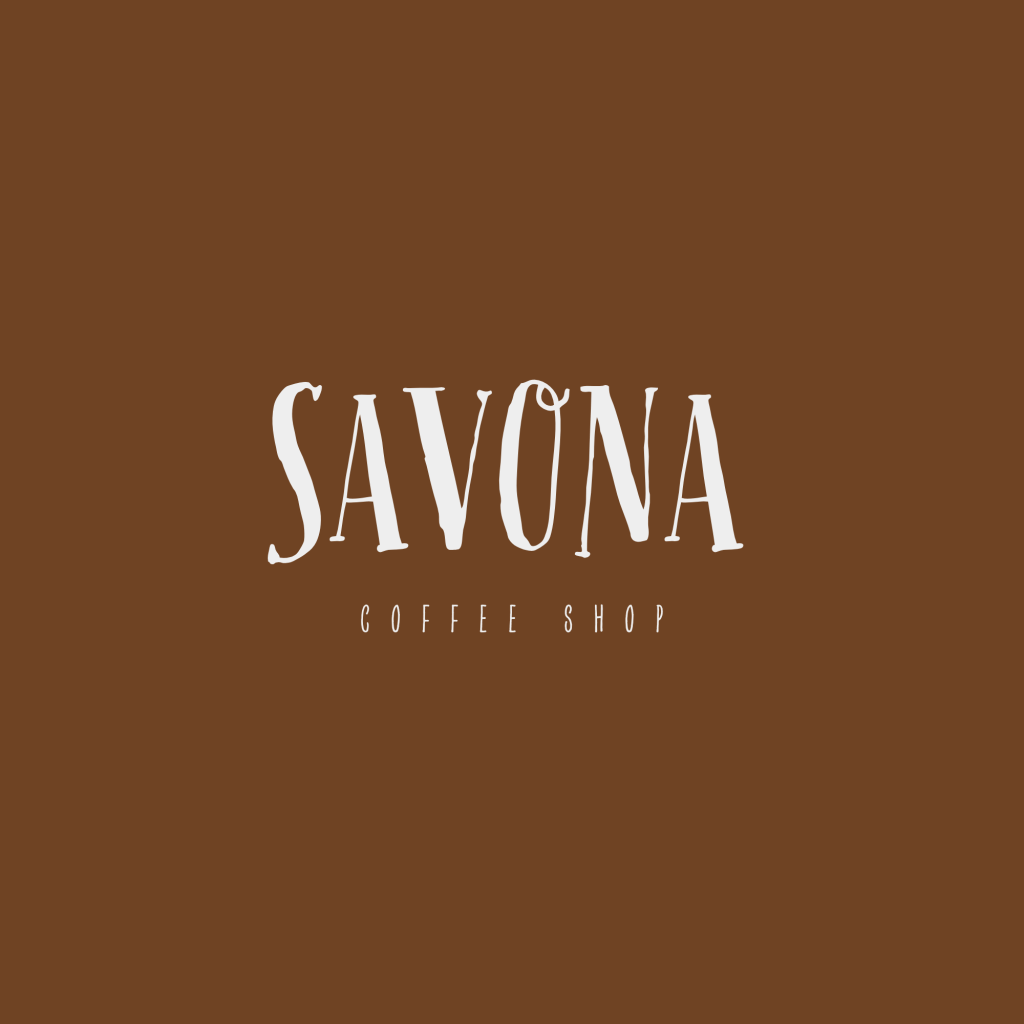
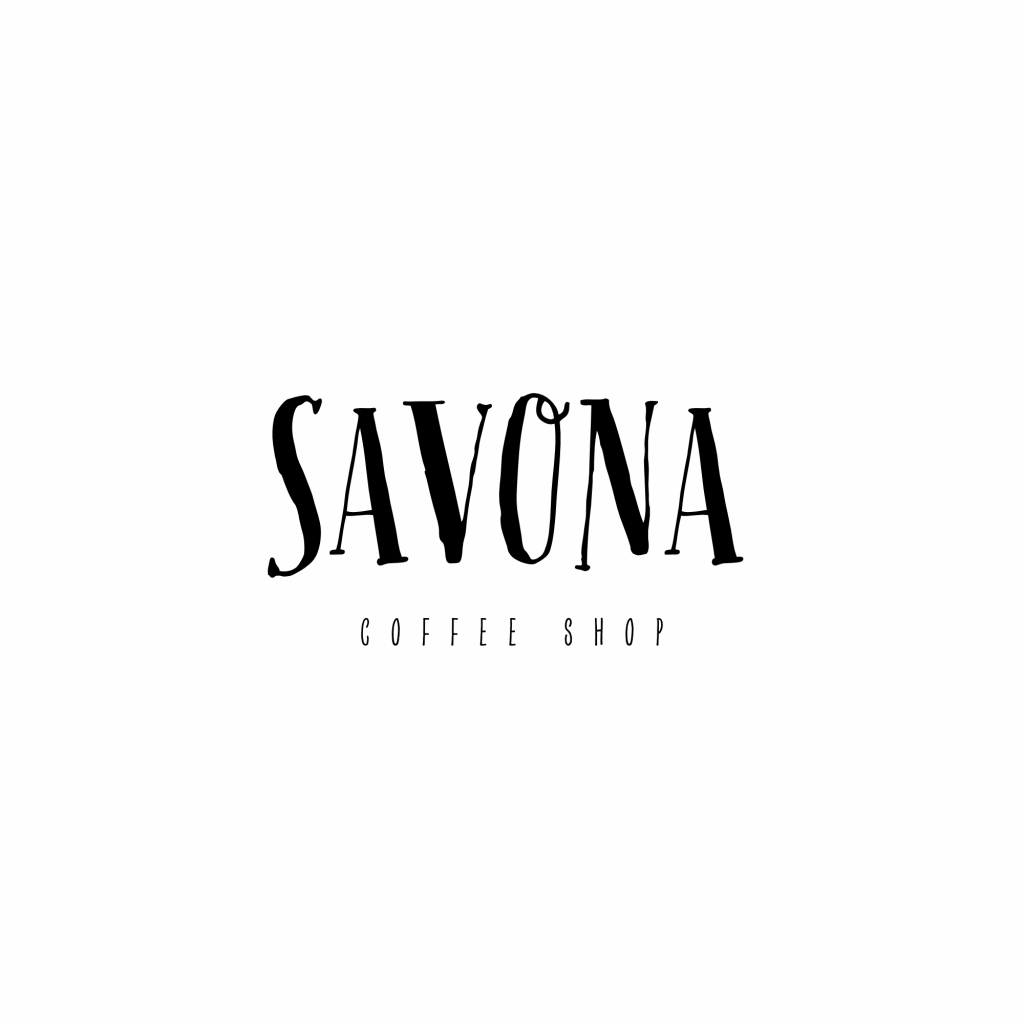
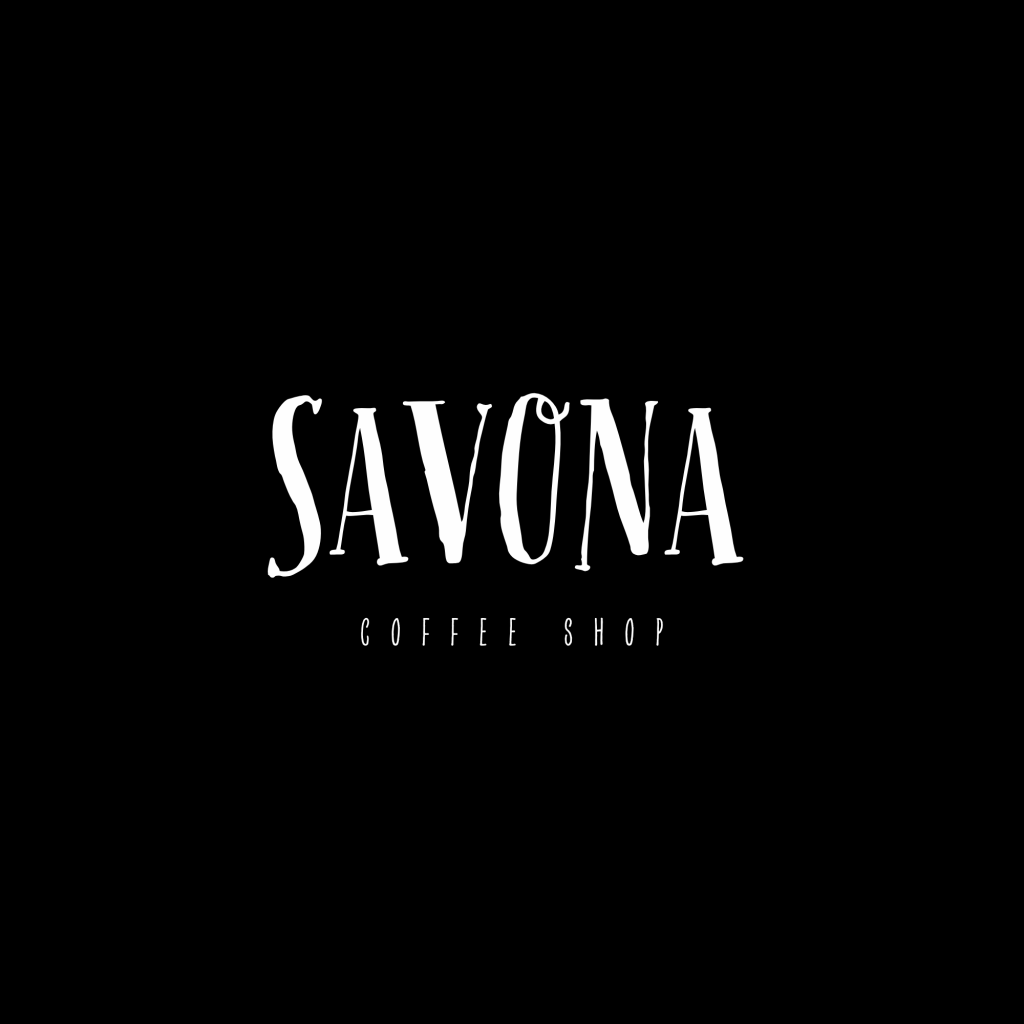
Another change in Savona’s brand strategy is to change its logo to something that stands out more. Its current logo is a coffee cup on a saucer with steam rising from the top. While this does align with the product they serve, it could stand out more. One suggestion is to stick with the coffee metaphor and simply alter the coffee design to draw more attention, such as adding sparkles on top.
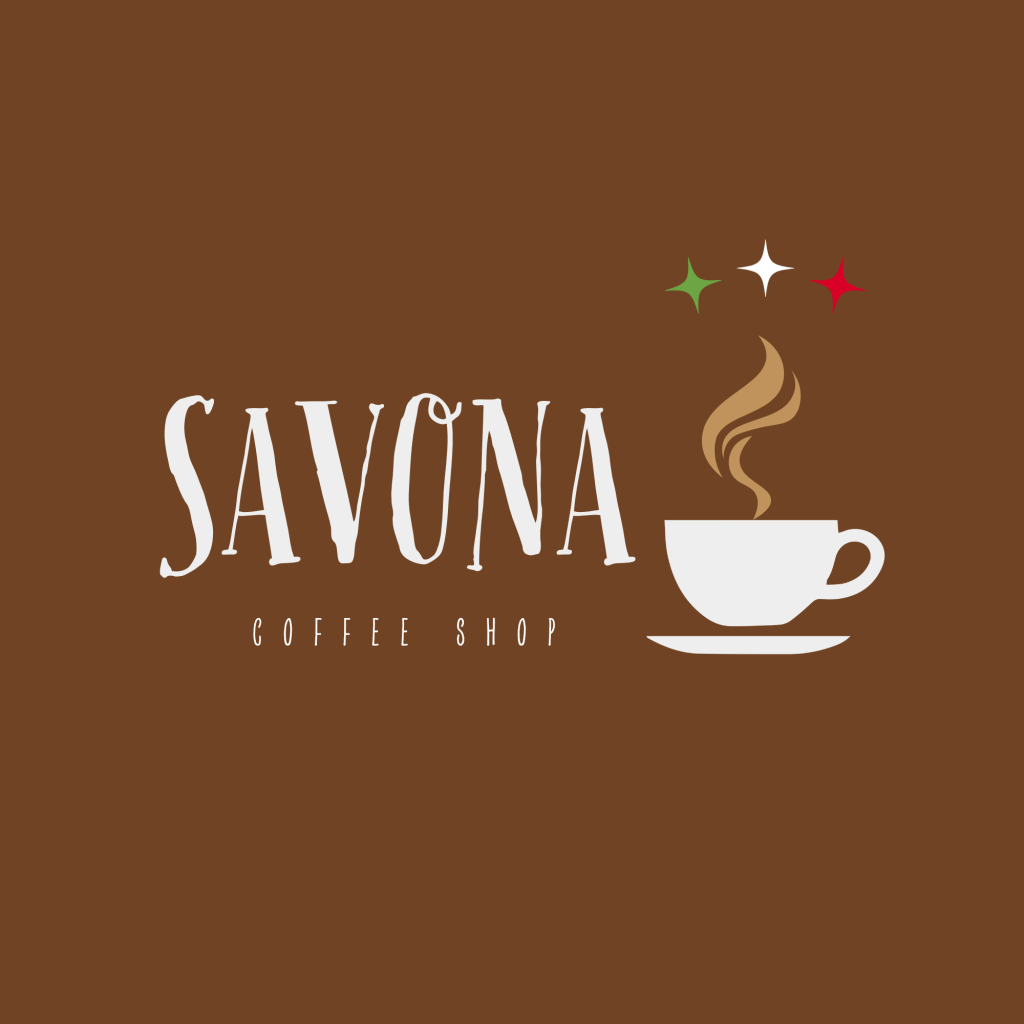
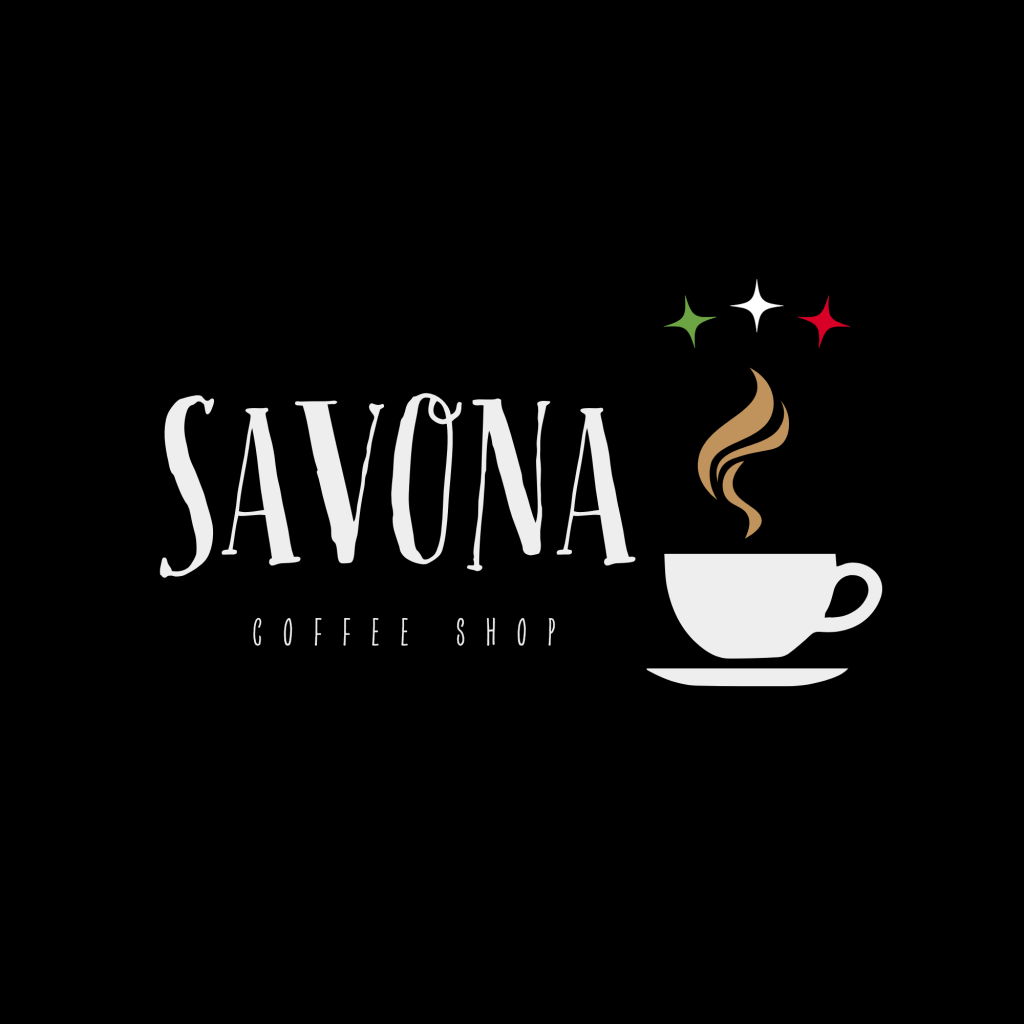
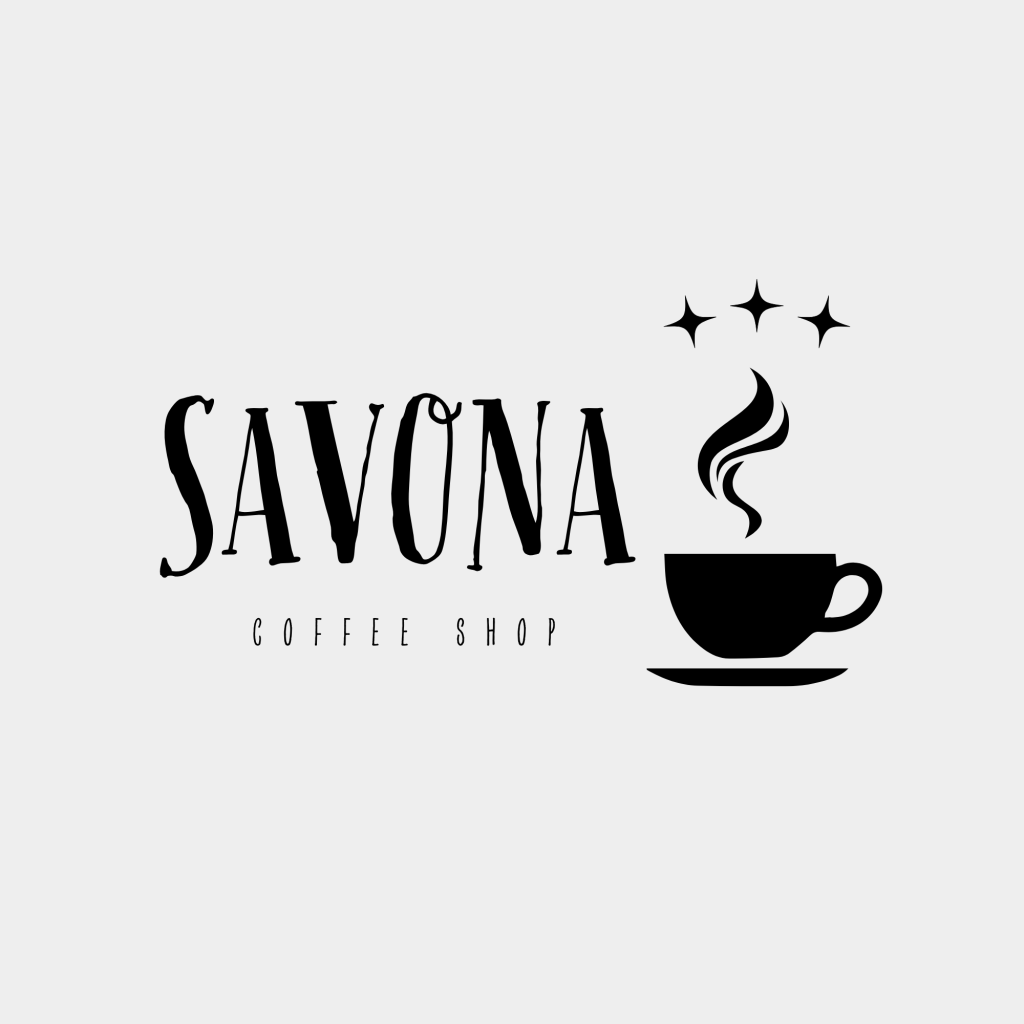
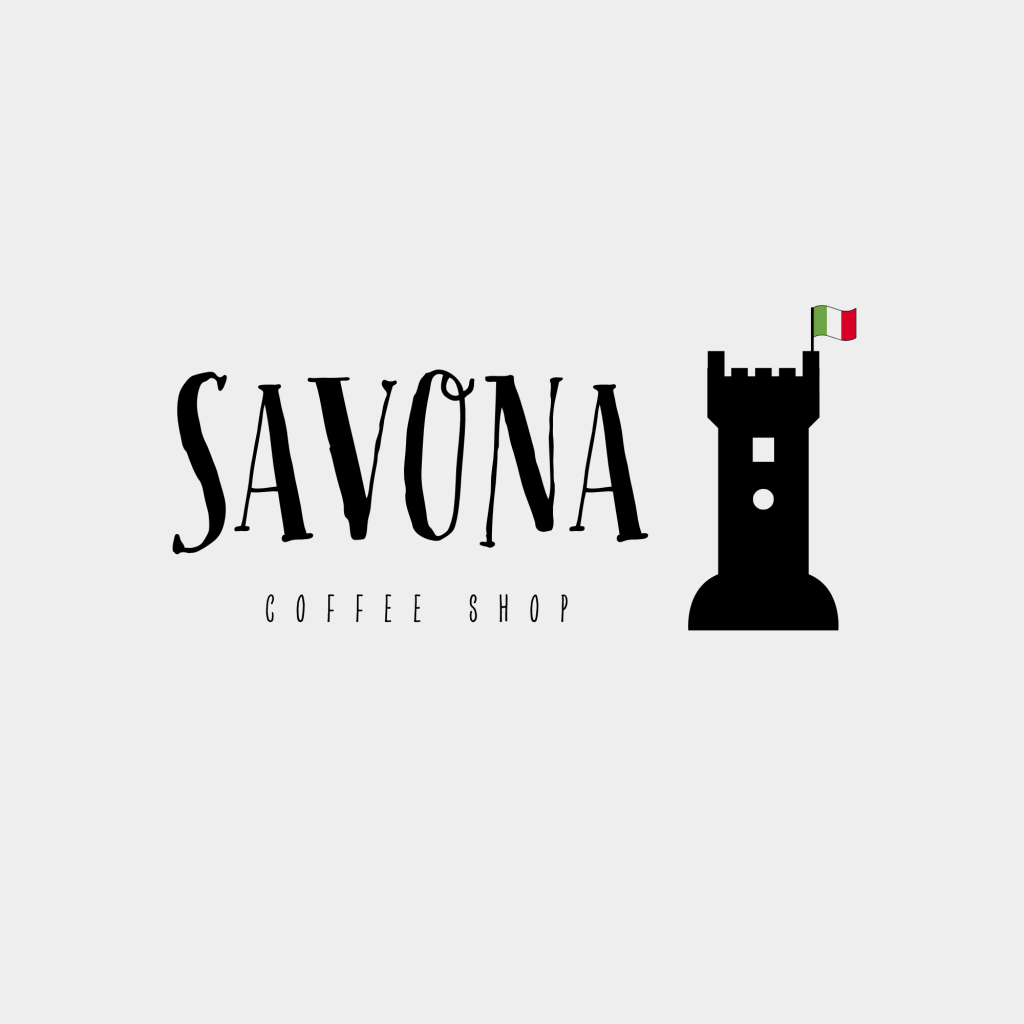
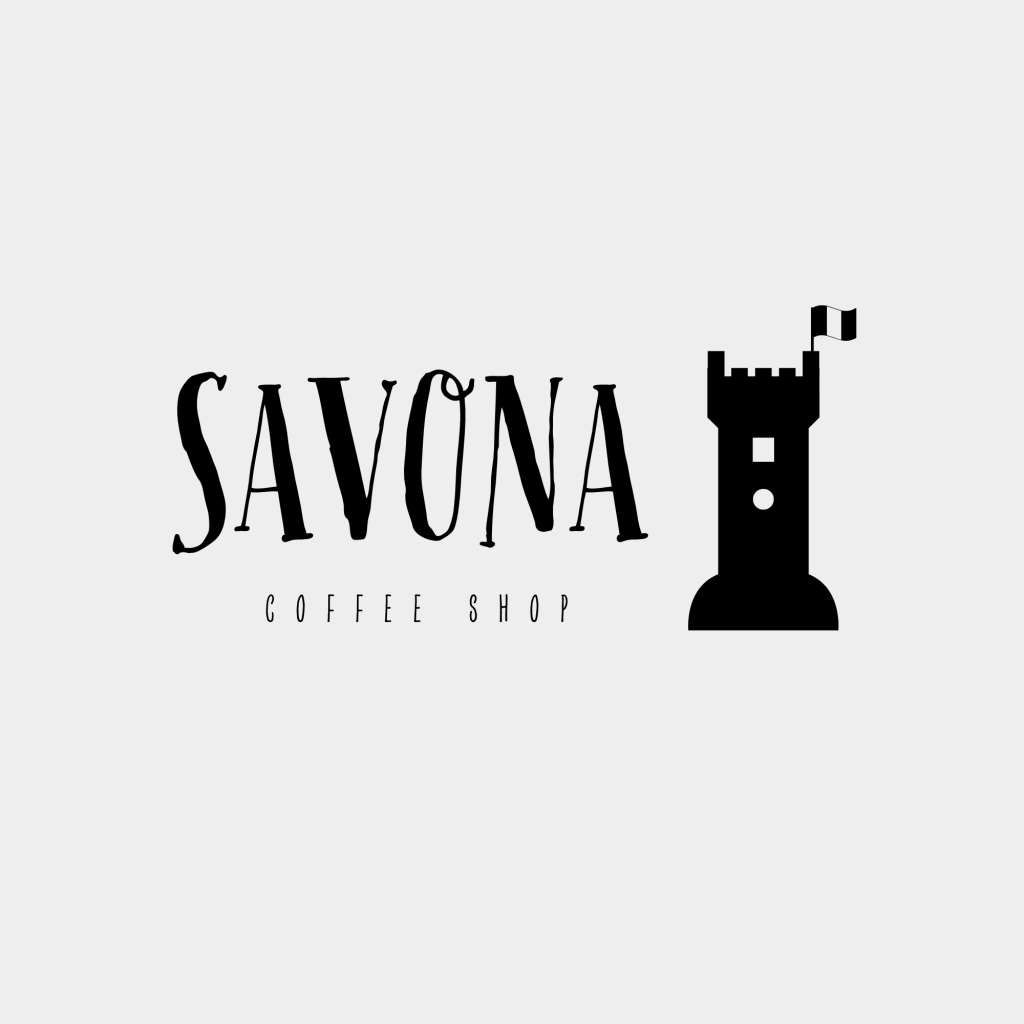
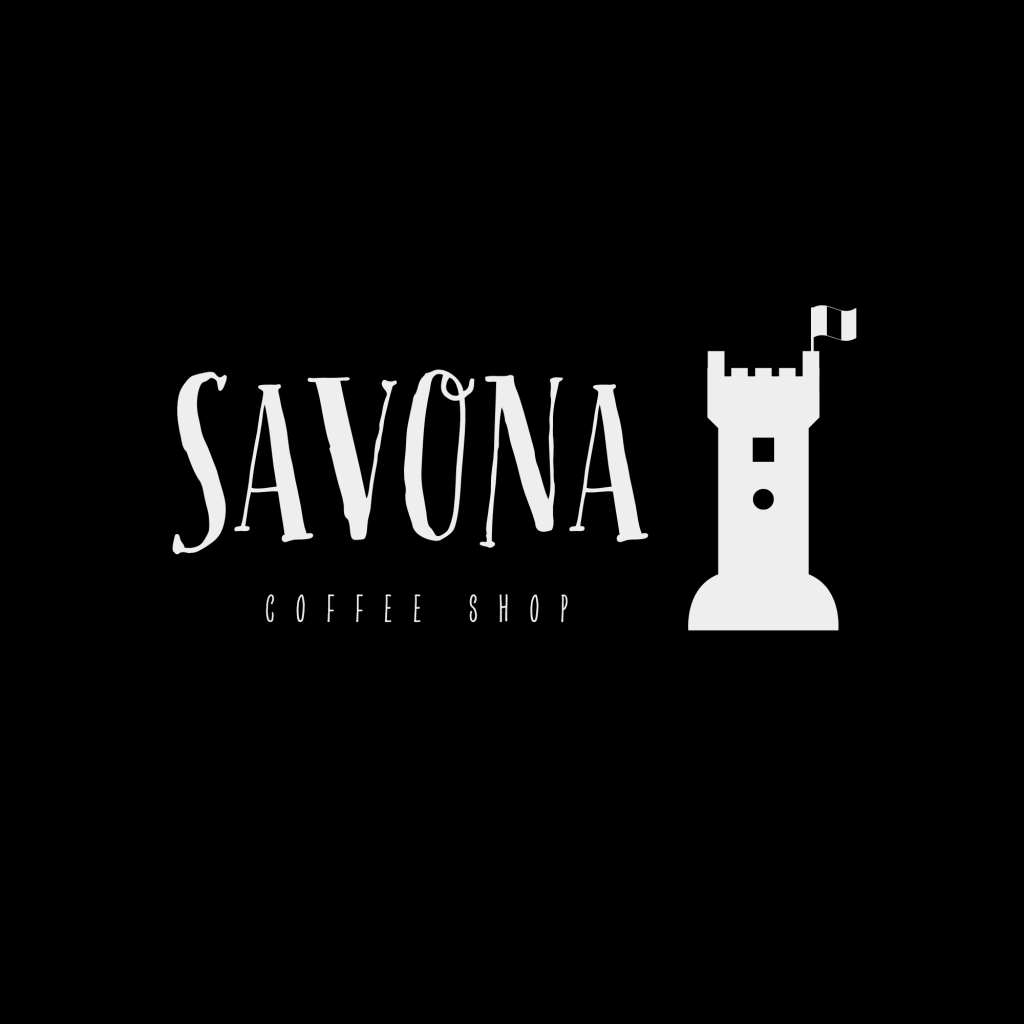
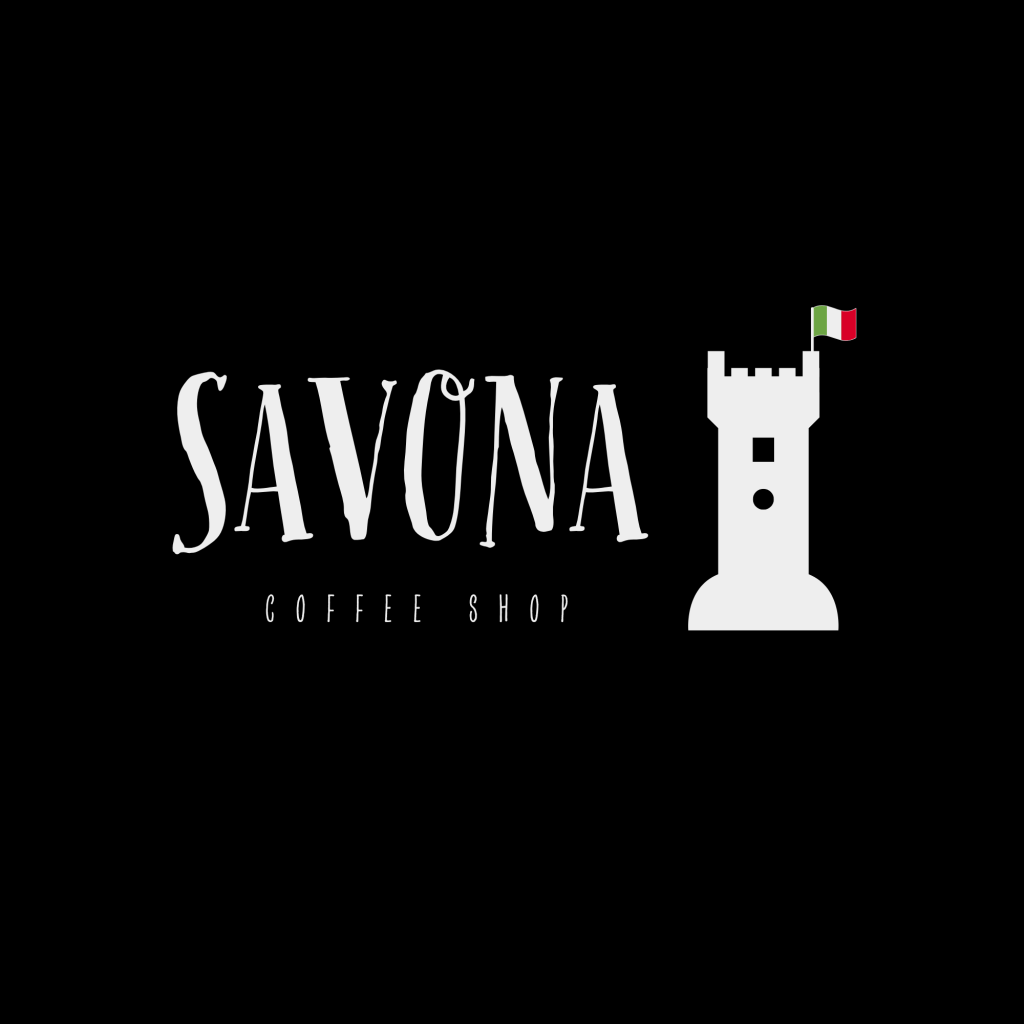
Alternatively, the logo could take a different direction and use a symbol instead. Savona’s name comes from Savona, Italy, where they already have a symbol, the Leon Pacaldo Tower. An image of this tower could also serve as the symbol for the Savona coffee shop, helping it stand out from competitors.
Conclusion
While there’s no single right or wrong way to create a branding strategy, some choices make more sense than others. A successful branding plan should have clear objectives—or multiple objectives. For Savona or any coffee shop, the goal is to attract people to come in and buy coffee. A cohesive branding strategy helps achieve that goal.
Reference
Caldwell, C. (2019). Understanding Your Brand. In Graphic Design for Everyone: Understand the Building Blocks So You Can Do It Yourself (pp. 14–42). essay, DK Publishing.
 Home
Home 